9th January 2026
Where Do I Put The Ashes Of Someone I Love?
By Josh Azouz
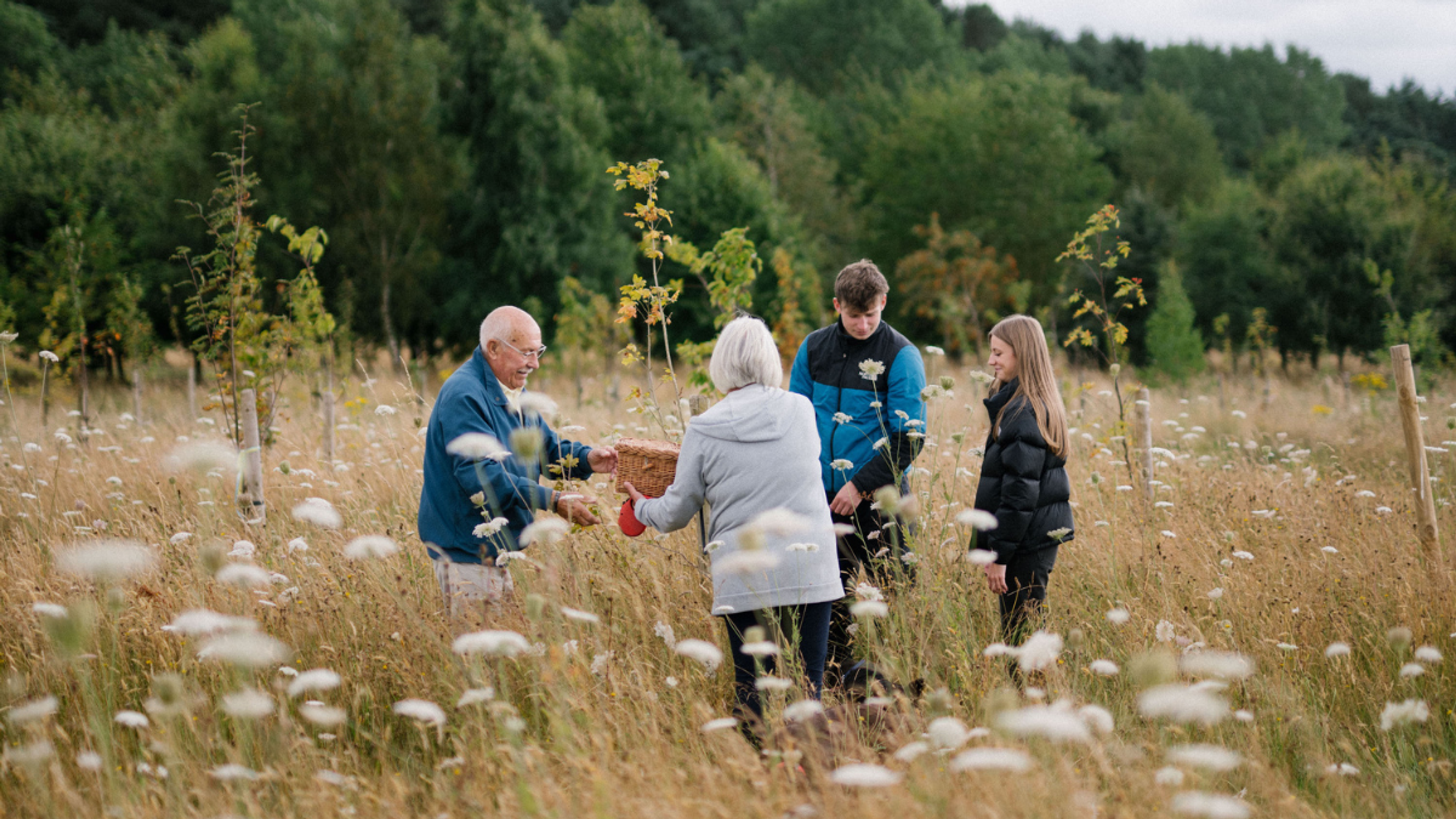
"The question of what to do with her ashes preoccupied me," said the author Julian Barnes after the death of this wife.
Many who opt for cremation do not specify how they want their ashes to be received or handed. It falls on the living to choose a place – or, more often than not, to simply not choose. Life gets busy, and the Urn ends up in the attic or under the stairs. Gathering dust.
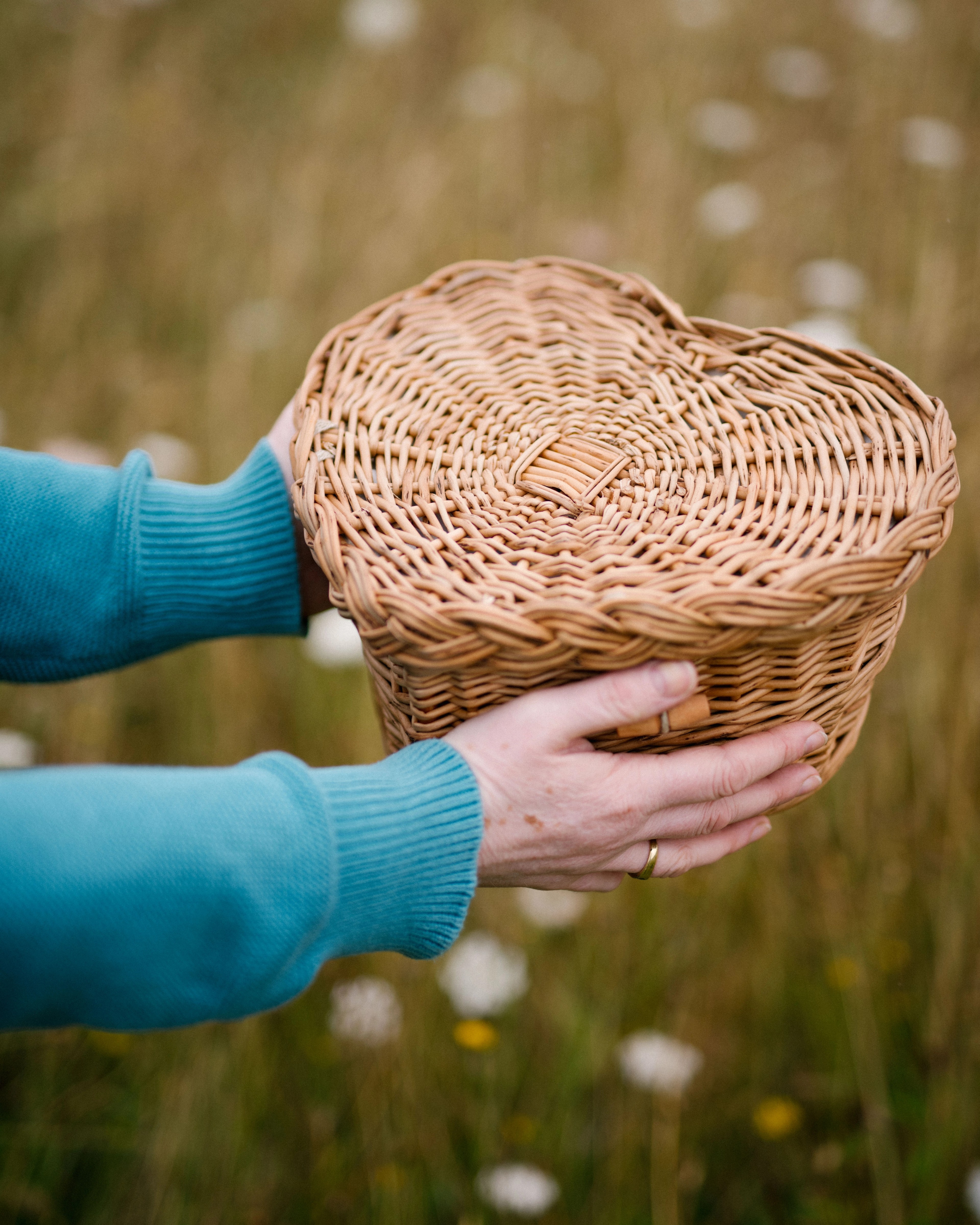
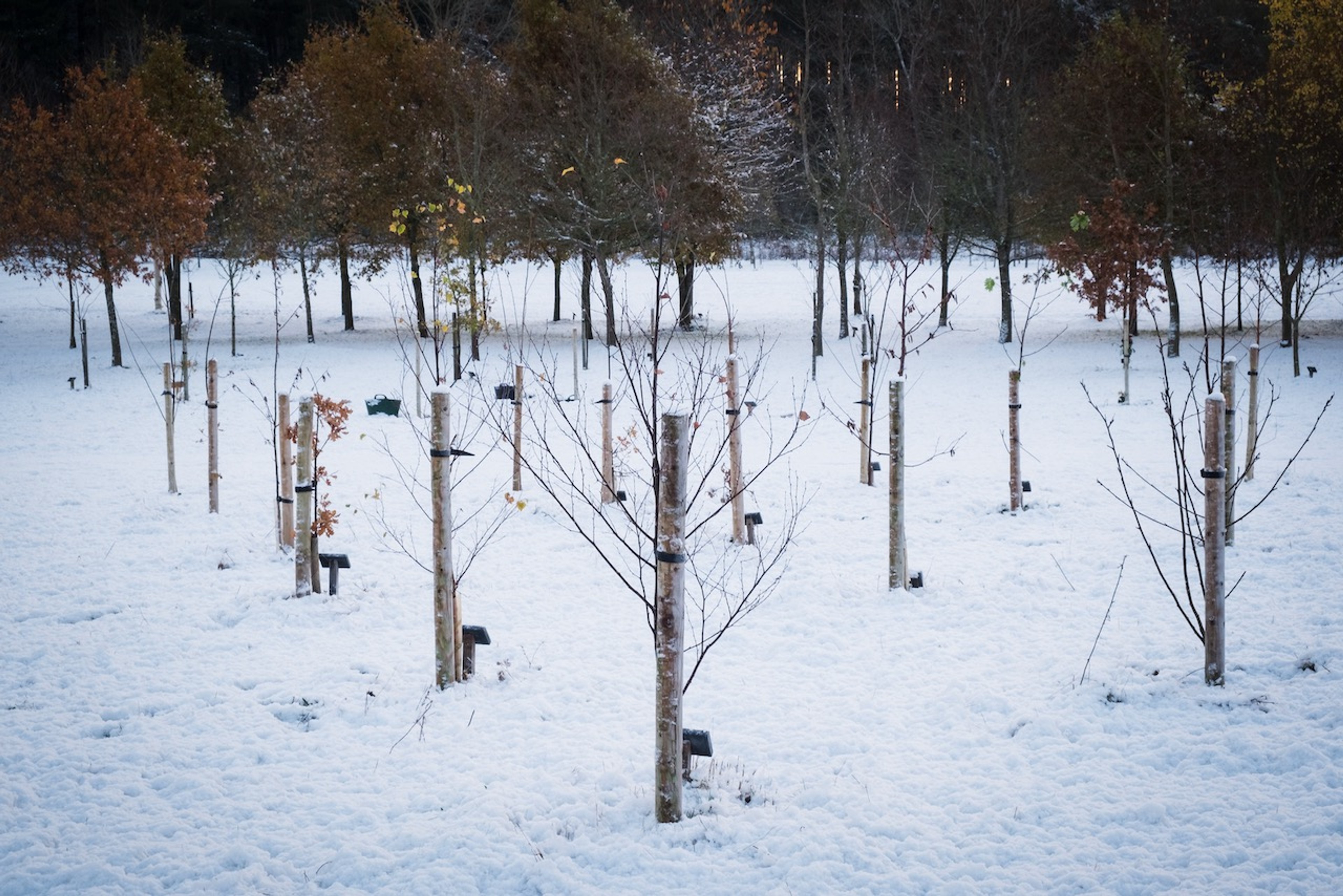
There is no right or wrong way to grieve, but might an intentional resting place be helpful in the mourning process? For those searching for a home for ashes, I would invite you to consider Tithe Green.
How do we maintain contact with our loved ones?
Memories and dreams evoke a person, but this private remembrance is often accompanied by an aftertaste of loneliness. Another way to remember someone is to visit them. When my mum died, she wanted a cemetery burial that corresponded with her religious beliefs. Her tombstone, amongst an endless row of tombstones, tells nothing of the colour of her life. It speaks only to the uniformity of her death. And that’s just the last line in her story. What about her husband? Her four children? Her career? Friends? Passion for gardening? We don’t visit my mum in the cemetery because she isn’t there.
So where can we find her?
On a bench in her favourite park. This is somewhere we want to visit. We mark her birthday by sitting on the bench, eating chocolates and drinking champagne. At the weekend, our children, who never knew their grandmother, can stop at her bench on their way to the playground. We try to weave her death into our lives.
As the seasons change so does the view from the bench. The change in the trees is in-sync with my grief, which is never static like a tombstone. Instead, it ebbs and flows.
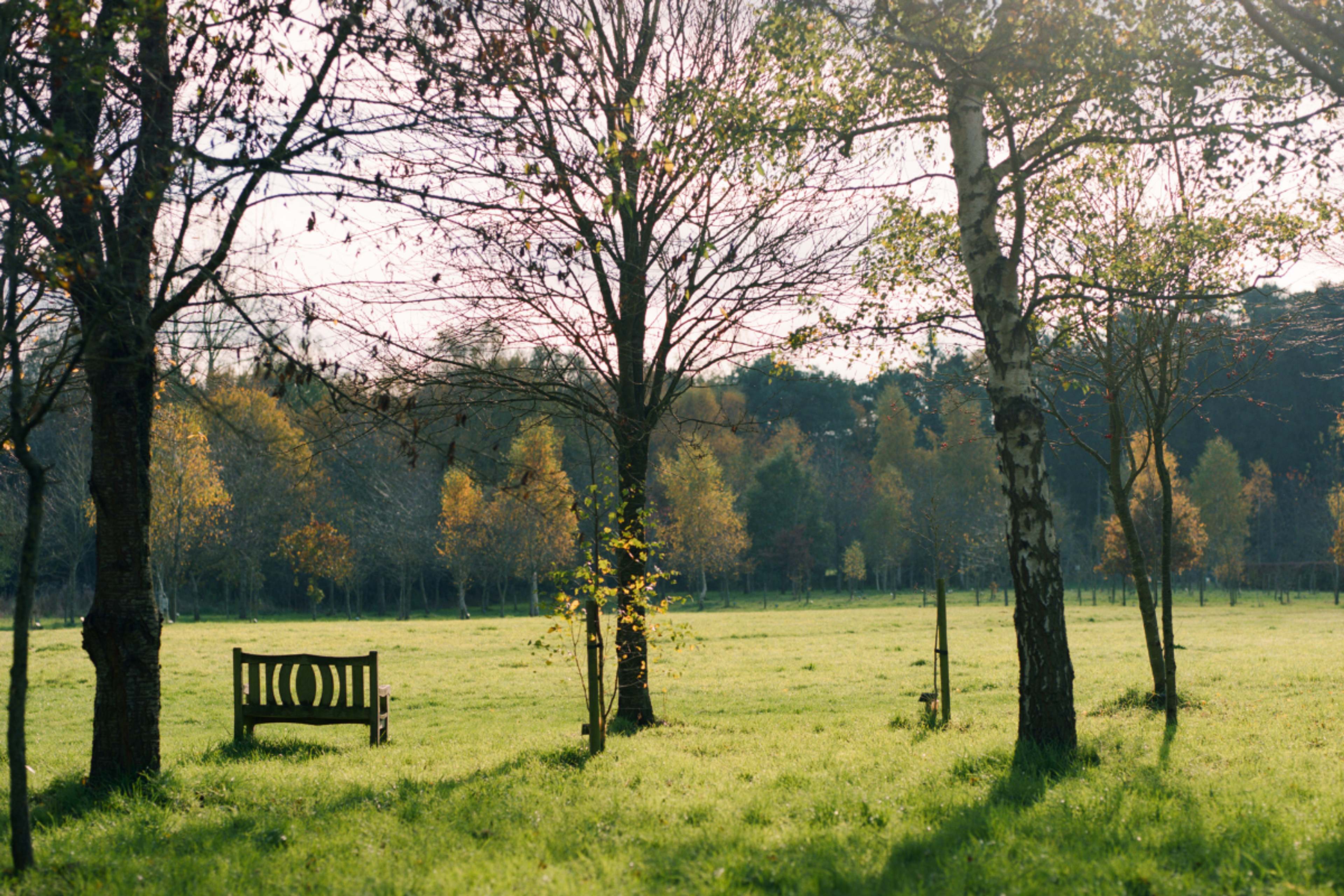
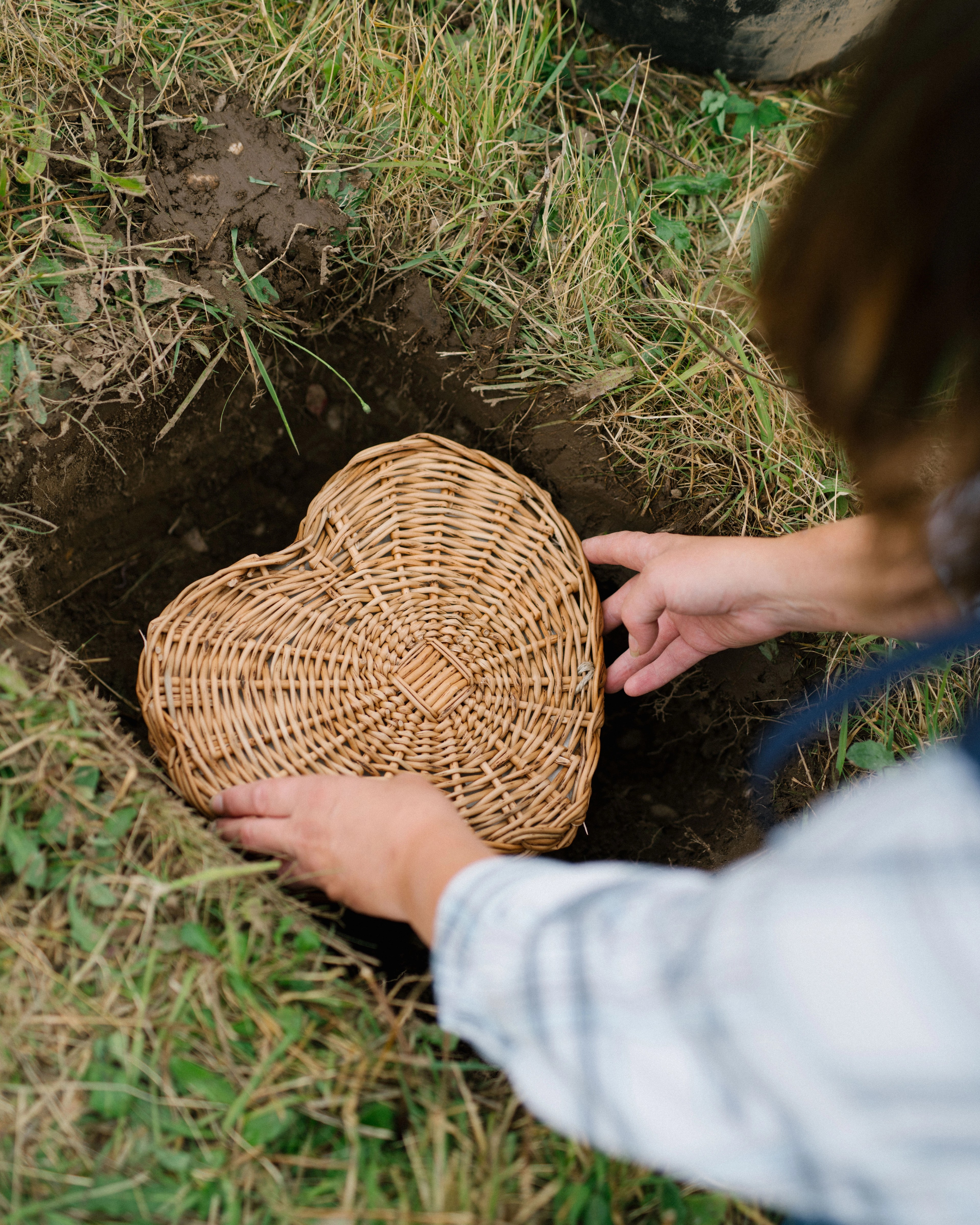
What a Tithe Green site offers in abundance is life. Birdwatching, wild-flowers, people walking their dogs, families sitting on benches. For the newly bereaved, all this life might feel affronting. When we are grief-stricken, we want the world to stop with us. Ashes with no fixed destination might chime with our paralysis, but how long can we exist in this state? Nature won’t permit it. Death has made us feel powerless - can the active choice of where to inter ashes help us reclaim some of the agency that death has robbed? Can the decision to take our ashes from the attic and into the ground be a healthy compass point in our mourning journey?
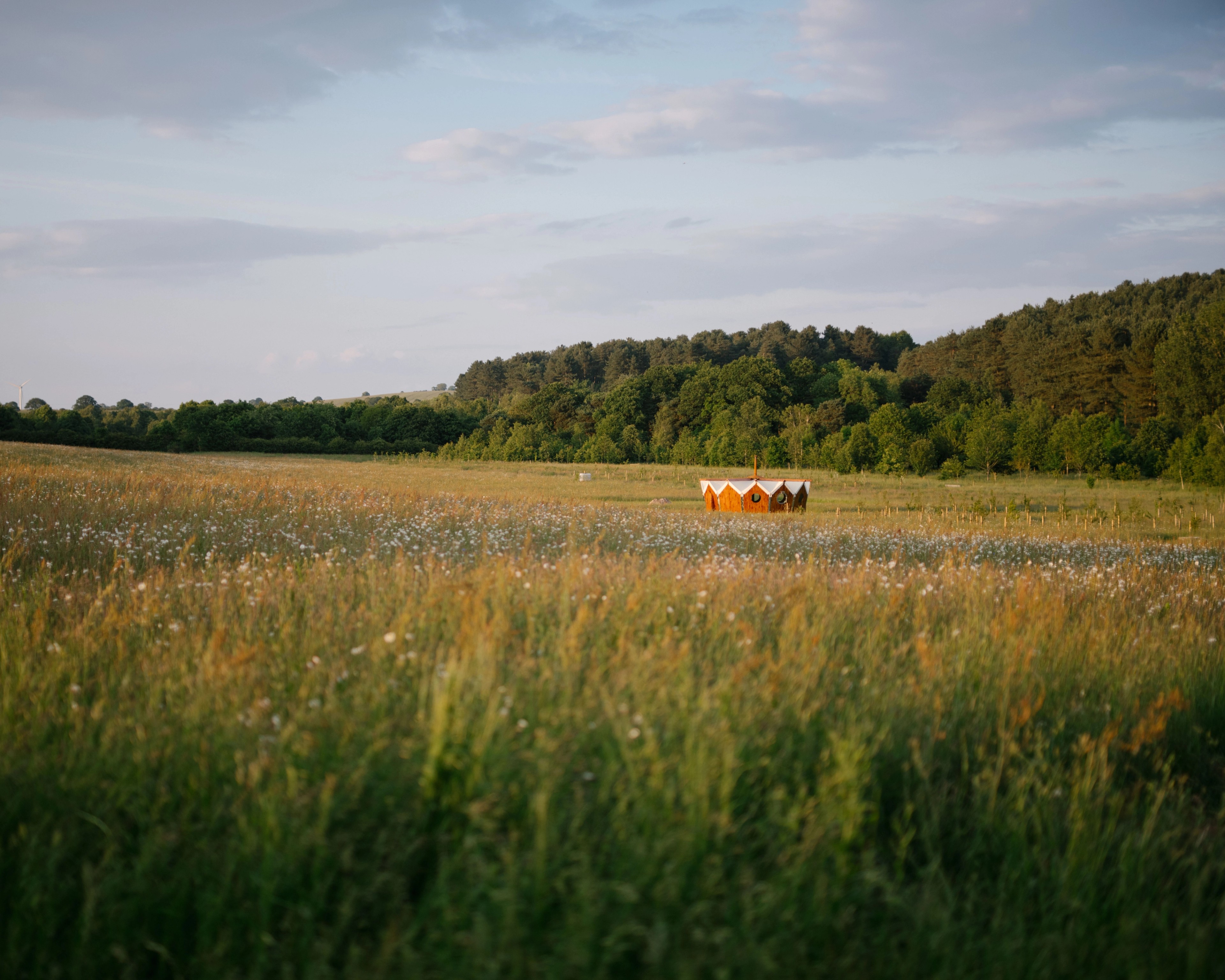
Once interred, visiting those ashes can anchor our grief. In the fog of a recent bereavement, thoughts of that person may crash into our minds regularly. But as time passes and memories fade, one might miss the intense grieving of the early days, where their loved one was ever-present. Visiting that person’s ashes in a meadow gives grief a sense of direction. A north star. It carves out time and space in our busy lives for precious memorialising. You don’t just walk past your ashes on the mantlepiece, you visit them in nature. Pay them attention. And the beauty of the site imbues them with a sacredness - not in a godlike sense - but scared in that they are elevated beyond the banality of our everyday existence.
A visit to the ashes keeps you colouring in the vividness of that relationship.
Photography by Juliet Klottrup.