19th October 2026
What Should We Do With Mum's Ashes? Consider Natural Burial
By George Cox
This weekend, The Sunday Times magazine published a front page article by journalist Harry Wallop titled ‘What should we do with mum’s ashes? She never told us.’
“Many families cannot decide,” writes Wallop, “And a year, or many years, later are still left with the ashes – torn between letting go and retaining the last physical reminder of their parent, spouse or child.” At Tithe Green Natural Burial, the question of what to do with ashes isn’t an unusual one for us to encounter. In fact, it’s one of the most common conversations we have with families. “I had my husband's ashes for 5 years not knowing what I wanted to do with them,” says one Tithe Green visitor. “As soon as I visited Tithe Green, I knew.”
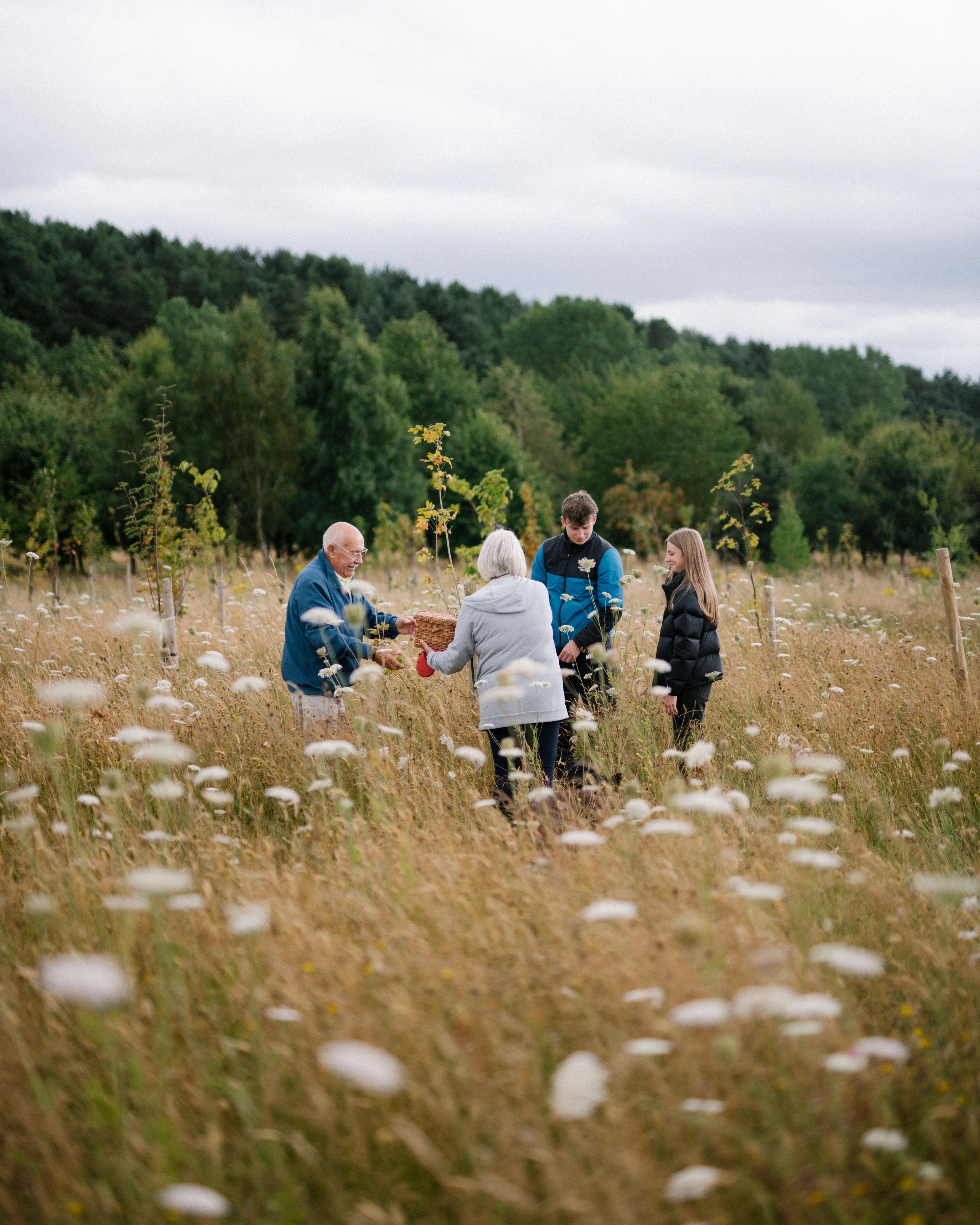
Across the UK, millions of families have ashes in their care, not knowing what to do with them. They might sit on the mantelpiece, the windowsill, or at the back of the wardrobe. And whilst for some families this closeness brings comfort, for others it doesn’t feel meaningful or intentional enough to honour the big, beautiful, unique life that their loved one lived. Natural burial is a growing answer.
“People have forever relationships with our burial grounds,” says Helena O’Donnell, co-founder of Tithe Green. “This knowledge is what guides us – our woodlands and wildflower meadows are places that become deeply meaningful to the families who choose them. It doesn’t take grief away but it does give people a beautiful, peaceful and protected place to return to walk, sit, and remember.”
Consideration 1: Cost
Jackie Lymn Rose, a fourth-generation director of the well-known Funeral Directors A W Lymn and one of Britain’s first female embalmers, estimates that one A W Lymns branch holds around 300 people’s ashes waiting to be scattered, interred or otherwise kept. This isn’t surprising when we consider that 650,000 people die every year in the UK.
“…about 82 per cent are cremated,” writes Wallop. “A process that has steadily gained in popularity, partly because cremations are cheaper – costing an average of £3,518 compared with £4,758 for burial.”
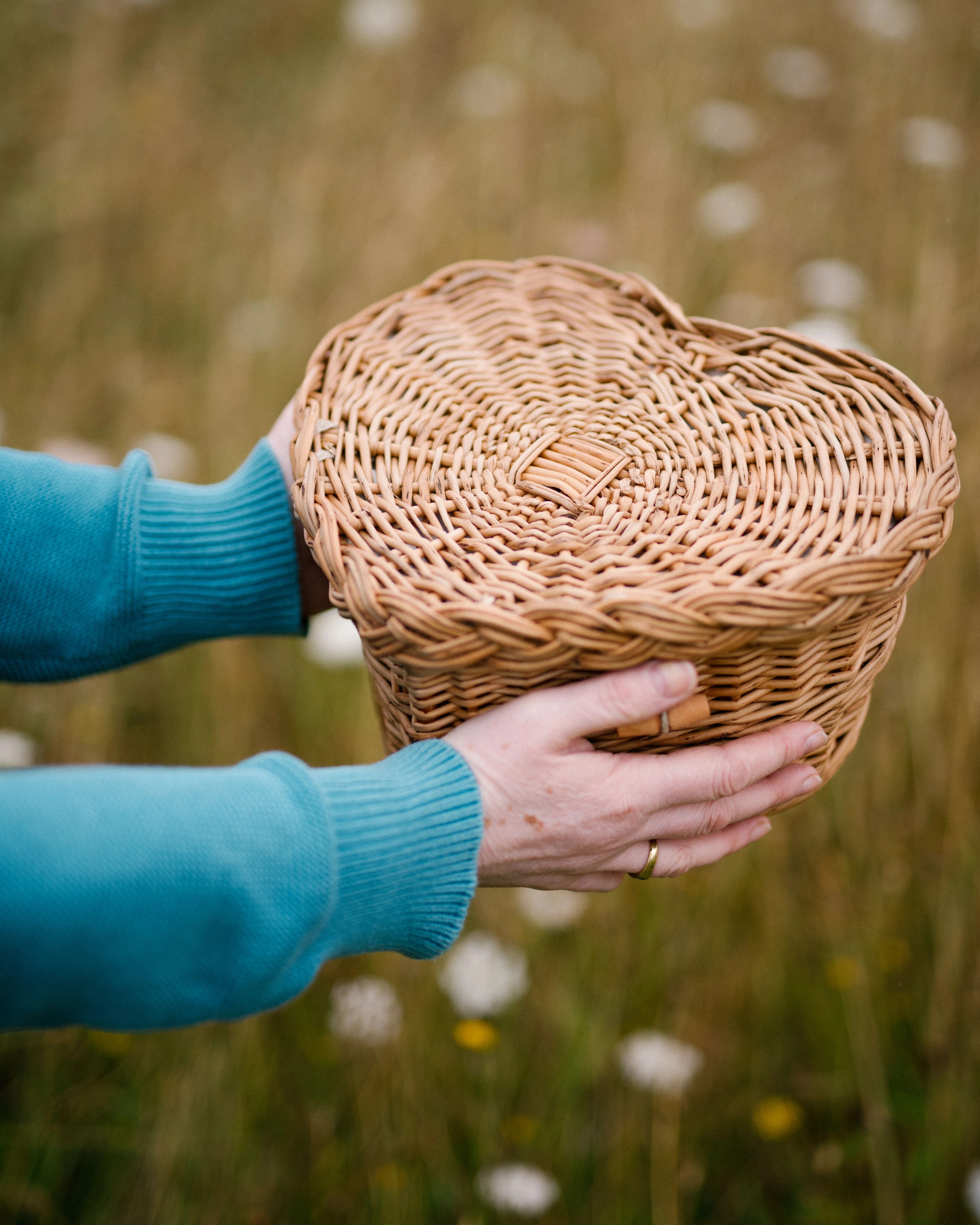
At Tithe Green’s natural burial grounds across the Midlands and North East, ashes are interred in wildflower meadows and woodlands. Natural burial of ashes – that is, ashes buried in biodegradable urns – with a bespoke memorial plaque works out over £100 more affordable than interment of ashes with a grave marker in a council cemetery local to our flagship site in Nottinghamshire. Ashes interred at our natural burial grounds are there forever; a final resting place with no repeat fees, no maintenance fees, and no catchment area: families can live anywhere.
Consideration 2: Place
Britain is running out of burial space – a stark fact that Wallop includes in his article. Added to this, a bill titled ‘Local Plans (Burial Space)’ was recently passed to the Commons, which would require councils to plan for burial capacity after peers were told that around one in four councils has ten years or less of burial space left, and one in six has under five.
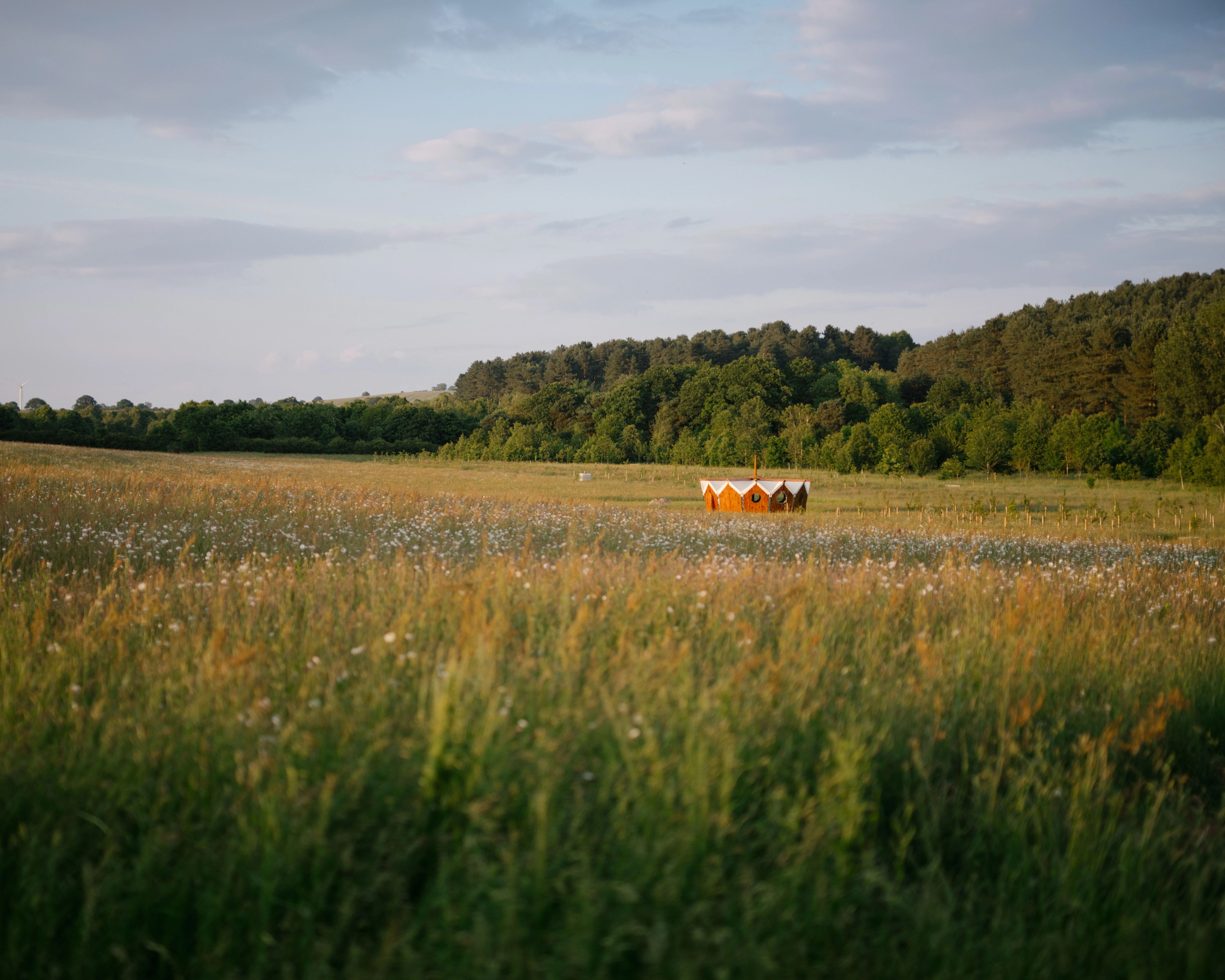
Natural burial offers an attractive answer for this issue, with natural burial grounds offering more space – such as Tithe Green’s 60-acre woodland site in County Durham – and being less crowded. The grounds are required to maintain their status as burial grounds for 100 years after the last plot is sold, and after this become areas of protected woodland and biodiversity, continuing to contribute to vital habitat restoration and the fight against climate change. This answers another key consideration for families unsure what to do with their loved one’s ashes: how can I be assured that the place I choose will remain protected years into the future and won’t be sold for development?
Consideration 3: Beauty
Richard Martin, founder of the Ashes Register, a place for families to log where they have scattered ashes, says that historically most people would bury or scatter ashes in gardens of remembrance at the crematorium. “But they are places of death,” he says. “If you wanted to remember somebody, why would you go to somewhere that has such an industrial purpose?”
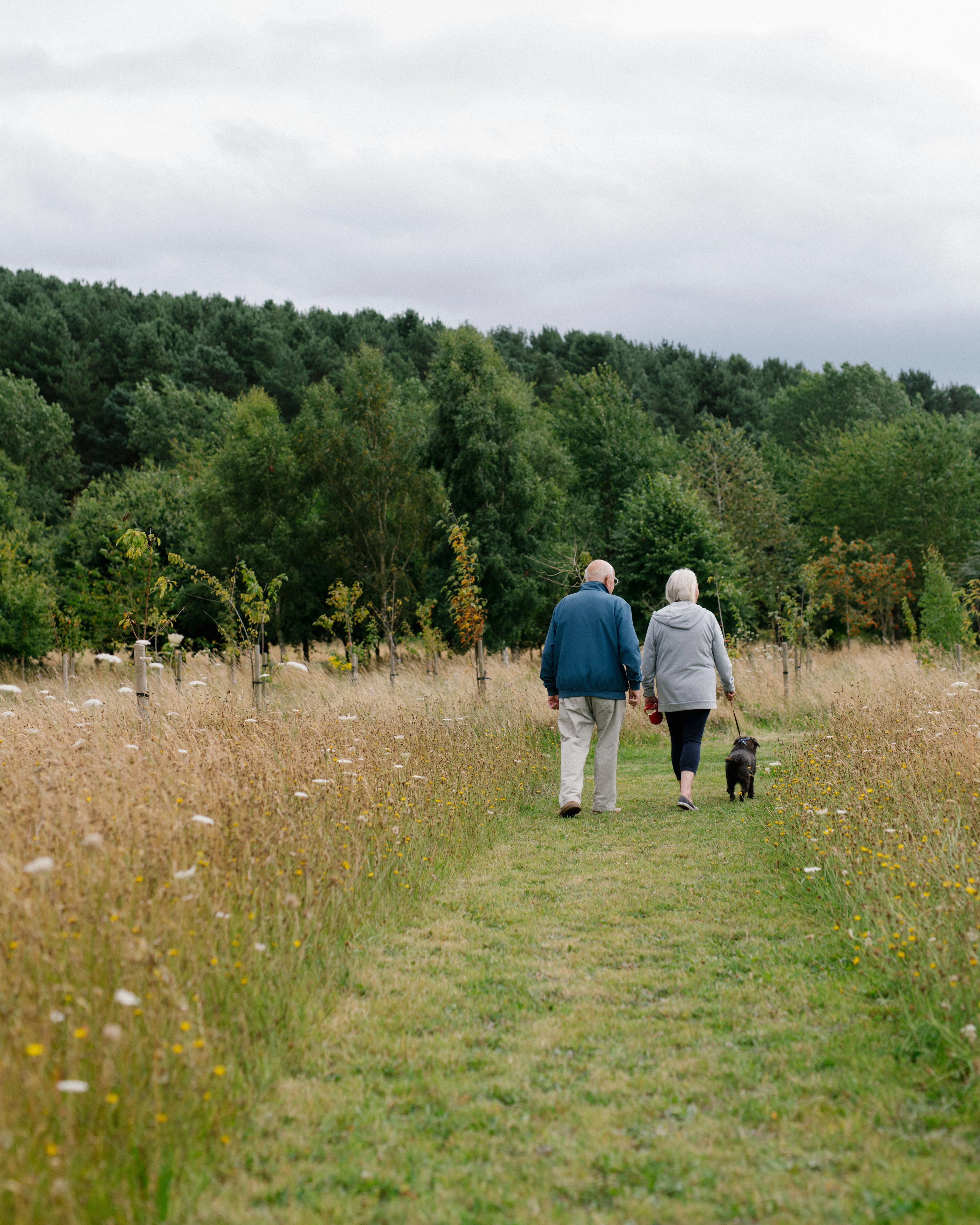
And indeed, we agree. Why not consider the exact opposite? Somewhere brimming with life, somewhere nature is encouraged and honoured rather than existing in stark contrast with its surroundings. Somewhere life and death share the same place, where loved ones are truly returned to the earth.
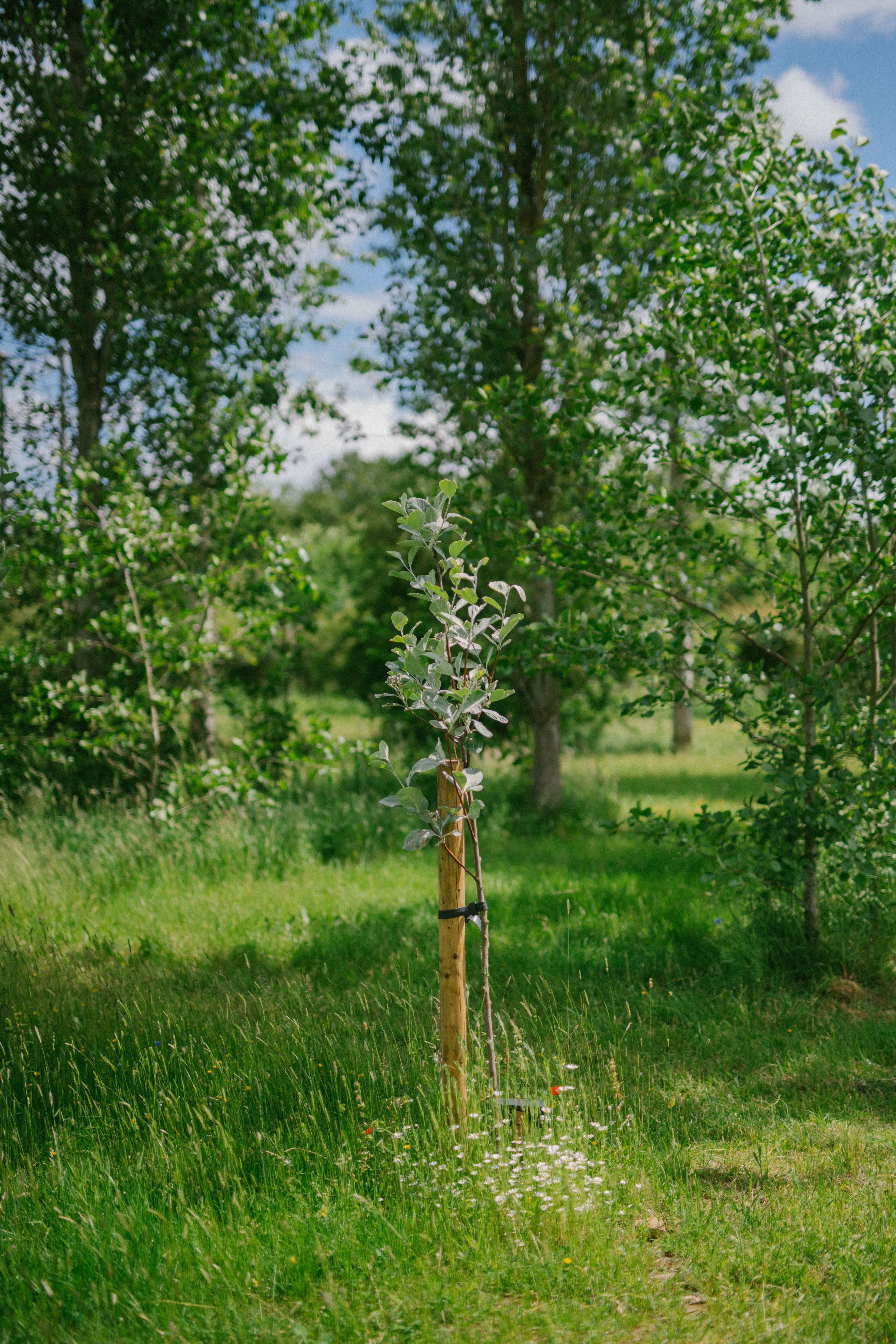
One of the five families that Wallop interviews for his article, Roxana, lost her husband Charlie in 2018 and now plans to plant a tree, incorporating his ashes into the root. “People talk about moving on,” she says. “But I don't want to move on. I loved him... But I don't want my life to be defined by his death.”
“We suspect that one of the biggest things that draws people to planting a tree is this idea of continuing life, or life being transferred,” says Helena. “At Tithe Green we reject falsehoods such as ‘closure’ or ‘moving on’ – there’s no such thing,” she adds. “You can't ‘overcome’ grief and it's not something that can be ‘fixed’, but there is something deeply comforting about seeing new life grow and change with the seasons, and the knowledge that this new life is entwined with the life and legacy of someone you love.”
Making our wishes known
Wallop’s article also touches on a very valid and poignant part of the conversation – that many people do not express their wishes to their family. This is true in both people for whom death feels like a more unavoidable looming frontier, such as those diagnosed with terminal illnesses, and people who still have the comfortable luxury of existing under the illusion that death is something we can ignore in the hopes that it might not notice us. But in all cases death can be abrupt, surprising, and when we least expect it.
Another of the five families Wallop interviewed describe their father, Rob, living with cancer for four years and never once discussing his wishes with any of his family. “I massively regret it,” says daughter Lucy. “I hate the idea that he could have wanted to have those conversations and none of us were prepared to have them.”
What to take from it? That we should live presently and gratefully, yes, but also that we should not avoid conversations about that one universal experience after birth, that it is not a taboo topic but rather something that unites us. Planning ahead for this eventuality – which could mean making arrangements now or just having a conversation – is a quietly empowering act that brings relief to us and comfort to our loved ones when the time comes, knowing not only are they following our wishes but that they don’t have to make any big or difficult decisions in the depths of grief.
“We are passionate advocates for these conversations,” says Helena. “We offer a planning ahead service which allows people to secure a plot for burial or interment of ashes in our wildflower meadows or woodlands. Families can secure multiple adjacent plots in wildflower meadows, knowing that they will be together again when the time comes.”
We are moved and encouraged to see such conversations being held and explored in mainstream media, and more confident than ever that natural burial offers a meaningful, beautiful answer to many of the questions and decisions not only families but councils are facing in response to the question: what do we do with ashes in our care?
For more information about natural burial, ashes interment and planning ahead at Tithe Green or to book a site visit, call our office on 01623 677 100 or email info@tithegreen.com.